


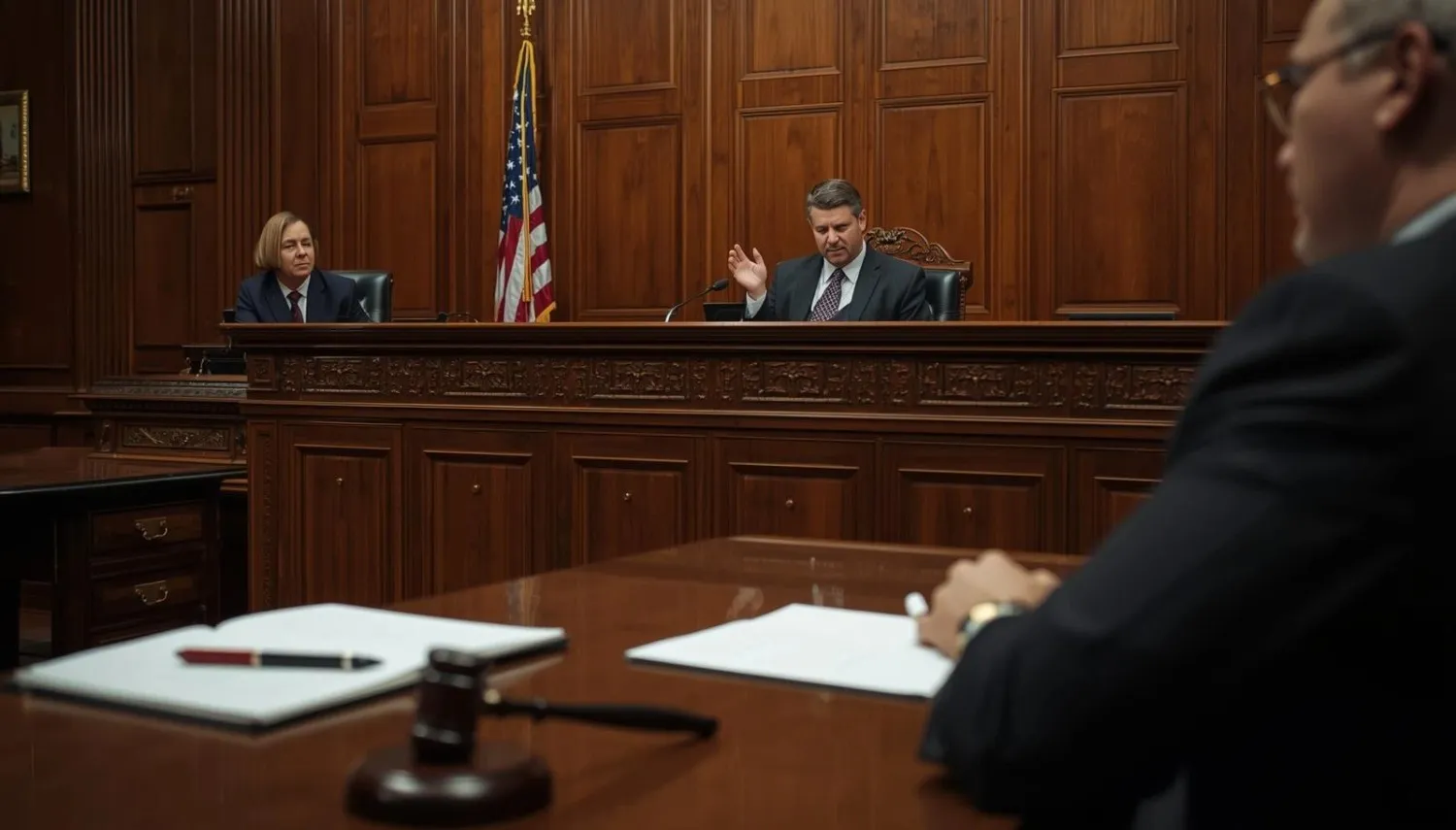
The blog tells about the Courtroom Experience of the Best Divorce Attorney Buffalo NY. Divorce is one of the most emotionally and economically difficult events that one is likely to undergo. Although most of the divorce cases are resolved either by negotiation or mediation, there are those that are bound to enter the court. When such occurs, the courtroom experience of your lawyer will be one of the most critical factors in determining the result of your case.
Not only is the best divorce attorney Buffalo, NY, a negotiator but also a proficient trial lawyer who can make solid arguments, defend the rights of the clients, and be confident enough to handle the stressful circumstances of the courtroom. In this article, the authors present the reasons why courtroom experience is important, the process involved in divorce litigation, and how experienced lawyers represent their clients in complicated family law cases.
Why Courtroom Experience Matters in Divorce Cases
Not all divorce cases proceed to trial, but all divorce attorneys should be ready to do so. An attorney who has been in the courtroom will negotiate differently, think like judges, and know how to bring forth evidence in a way that will be effective.
The major advantages of Trial Experience
- Good knowledge of the procedures in a courtroom
- Self-confidence in making arguments
- Cross-examination skills of witnesses
- Strategic case preparation
- Knowledge of the local courts and court expectations
A litigant lawyer is ready to defend clients in case of failure in negotiations.
Understanding the Role of a Trial Lawyer in Divorce
A trial lawyer is a lawyer who concentrates on litigation and advocacy in courts. This role in the area of divorce involves the provision of evidence, questioning of witnesses, and convincing the judge that the client is right and should therefore be granted.
Core Responsibilities
- Filing legal motions
- Conducting discovery
- Preparing legal arguments
- Hearings on behalf of clients
- Triumphing cases in the court.
The experience in courtrooms will make sure that all litigation phases are taken care of professionally and strategically.
Types of Divorce Cases That Often Go to Court
Although a good number of divorces are settled out of court, there are cases that need the court to intervene.
High-Conflict Divorces
These cases are characterized by extreme conflicts, which cannot be settled by means of negotiation.
Common disputes include:
- Child custody conflicts
- Asset division disagreements
- Allegations of misconduct
- Unreported income or property.
High-Asset Divorces
There is a greater possibility of litigation when there are huge financial resources involved.
These cases can consist of:
- Business ownership
- Investment portfolios
- Real estate holdings
- Retirement accounts
Practice in the courtroom is necessary in order to be clear and convincing when presenting financial evidence.
Preparing a Divorce Case for Trial
The preparation of trials is a step-by-step and tactical process.
Evidence Gathering
Lawyers gather records like:
- Financial records
- Tax returns
- Property appraisals
- Communication records
Witness Preparation
Witnesses may include:
- Financial experts
- Child psychologists
- Family members
- Business valuation specialists
Preparation will make the case have a credible testimony and good evidence.
Discovery during Divorce Litigation
Discovery enables both parties to find out what will be presented during the trial.
Discovery Tools
- Interrogatories (written questions)
- Depositions (sworn testimony)
- Requests for documents
- Financial disclosures
Skilled lawyers employ the discovery to discover concealed resources and construct a solid case.
Courtroom Hearings in Divorce Cases
A number of hearings can be held before a trial.
Temporary Orders Hearings
Judges can make tentative rulings on:
- Child custody
- Spousal support
- Living arrangements
- Financial responsibilities
Such orders are valid until the final decision.
Presenting Evidence in Court
One of the important techniques of a good divorce lawyer is the ability to introduce evidence.
Types of Evidence
- Financial documentation
- Expert testimony
- Witness statements
- Parenting evaluations
Presenting clearly assists the judge in grasping intricate information within a short time.
Cross-Examination Skills
One of the most significant courtroom skills is cross-examination.
Experienced attorneys:
- Challenge inconsistencies
- Test credibility
- Clarify testimony
- Highlight key facts
Both the intensity and direction of the cross-examination can have a great impact on the case.
Child Custody Litigation
One of the most emotional cases of divorce is child custody.
Court Considerations
Judges evaluate:
- Child’s best interests
- Parent-child relationships
- Stability of home environments.
- Care-giving skills.
Trial lawyers offer evidence to show the strengths of their client in parenting.
Property Division in Court
The division of marital property is not easy.
Assets Commonly Disputed
- Real estate
- Businesses
- Investments
- Retirement accounts
Lawyers collaborate with financial professionals to make sure of fair valuation and split.
Spousal Support Litigation
Courts take into consideration various factors in determining spousal support.
Factors Include
- Length of marriage
- Income differences
- Lifestyle during marriage
- Future earning potential
Skilled attorneys provide financial evidence to justify equitable support orders.
Courtroom Strategy and Case Presentation
Effective trial lawyers make effective courtroom strategies.
Strategic Planning
- Building persuasive narratives
- Organizing evidence logically
- Anticipating opposing arguments
- Getting used to courtroom dynamics.
The chances of successful performance are enhanced with strategic preparation.
Negotiation vs Litigation
Negotiation is still on even when cases are taken to court.
Established trial attorneys can get better settlements since:
- The parties involved in a case are aware that they are ready to go to court.
- Judges promote settlement in proceedings.
- Good preparation develops leverage.
The power of negotiation is enhanced by being courtroom-ready.
Emotional Support and Client Guidance
The trials of divorce are tough.
Seasoned lawyers represent clients:
- Understand court procedures
- Prepare for testimony
- Manage expectations
- Remain objective to long-term objectives.
There should be support and communication during the process.
The Importance of Local Court Knowledge
The local knowledge of the courts is of benefit.
Experienced attorneys understand:
- Court procedures
- Filing requirements
- Judicial preferences
- Scheduling practices
This information aids cases to run in an easy and effective manner.
Appeals and Post-Trial Motions
Following a trial, further proceedings might take place.
Post-Trial Actions
- Filing appeals
- Requesting modifications
- Enforcing court orders
Experience in the courtroom helps lawyers navigate such complex procedures.
Long-Term Impact of Courtroom Representation
The outcomes of divorce trials have an impact on:
- Financial stability
- Parenting arrangements
- Property ownership
- Future opportunities
The good representation safeguards long-term interests.
Choosing the Right Divorce Trial Lawyer
Courtroom experience should be one of the top priorities when selecting a divorce lawyer.
Look for:
- Extensive trial experience
- Strong communication skills
- Strategic thinking
- Familiarity with family law
- Proven track record
The right lawyer can make a great difference in your case.
How Trial Experience Influences Case Outcomes
There is more than just courtroom experience and standing before a judge and talking with confidence. It is concerning how to make sense of litigation psychology, foresee the legal issues, and tell a story of a case in such a way that the judge can clearly see the client’s side.
Storytelling in the Courtroom
Depending on the case, judges have to hear several cases daily. A professional lawyer understands how to state facts in an organized manner that can easily be understood in the case. This involves:
- Developing a chronological order of events
- Relating emotional and financial aspects
- Raising the most pertinent evidence.
- Avoiding unnecessary complications
Good narration will ensure the judge has the entire picture and the needs of the client.
Managing High-Conflict Litigation
There are divorce cases where the emotional wrangle is overwhelming to the extent it can never be settled. The skill in courtrooms is necessary in such cases.
De-escalating Conflict in Court
Seasoned lawyers are aware of how to:
- Stay on point in proceedings.
- Avoid emotional distractions
- Be professional in a stressful situation.
- Prevent unnecessary delays
This skill can assist the courts in concentrating on sound judgment as opposed to emotional conflicts.
Handling Expert Witness Testimony
Numerous divorce cases depend on the expert witnesses who give special expertise. The quality of cooperation with a lawyer can play a crucial role in the case.
Common Divorce Experts
- Forensic accountants
- Business valuation specialists
- Child psychologists
- Real estate appraisers
The trial attorneys will need to train professionals to be good witnesses and present their views most convincingly.

Financial Complexity in Divorce Trials
The most challenging part of the divorce process is usually financial disagreements. The trial attorneys have to provide elaborate evidence of money in a manner that can be comprehended by judges easily.
Complex Financial Issues
- Hidden assets
- Business ownership disputes
- Investment accounts
- Retirement benefits
- Debt division
Seasoned lawyers can decode complex financial information into easy-to-understand explanations that aid in just decisions.
Protecting Parental Rights in Court
Child custody hearings are to be thoroughly prepared and handled sensitively.
Presenting Parenting Evidence
The trial lawyers assist clients to prove:
- Consistent caregiving history
- Stable home environment
- Skill in addressing the needs of children.
- Positive co-parenting behavior
When deciding parenting arrangements, judges are highly dependent on evidence, and therefore, preparing cases in court is crucial.
Courtroom Etiquette and Professionalism
There is professional conduct in courts that may affect the perception of a case by the judges.
Professional Presentation
Experienced attorneys:
- Follow court protocols
- Present arguments respectfully
- React swiftly to legal issues.
- Be credible during proceedings.
Professionalism instills confidence and enhances the credibility of the attorney.
Negotiation During Litigation
Numerous divorce proceedings are resolved when the preparations are underway in the trial. Attorneys who have trial experience can easily get better settlements as they know that the opposing sides are willing to go to court.
The Benefits of Trial Readiness in Promoting Settlement.
- Shows readiness and competence.
- Lessens the fear of opposing counsel.
- Demonstrates the desire to struggle to achieve reasonable results.
Trial-ready gives bargaining room in negotiations.
Managing Stress During Divorce Trials
Clients can find divorce litigation to be daunting. Seasoned lawyers assist their clients in being focused and ready.
Client Preparation Includes
- Explaining courtroom procedures
- Practicing testimony
- Setting realistic expectations
- Providing emotional reassurance
Counseling makes the clients feel ready and confident to go to court.
Post-Judgment Legal Support
Legal support might still be needed even after a trial is over.
Common Post-Trial Issues
- Enforcement of court orders.
- Custody modifications
- Support adjustments
- Appeals
Skilled trial attorneys do not stop their assistance to clients with the final verdict.
Long-Term Value of Courtroom Experience
A divorce trial can influence numerous facets of life. Protective courtroom representation assists in protecting:
- Financial security
- Parenting relationships
- Property ownership
- Long-term stability
Hiring an expert trial attorney is an investment in yourself.
Final Thoughts
Experience in the courtroom is very important in divorce litigation. When there is no success in negotiations, and cases are tried in court, then the services of trial lawyers are required to offer expertise and effort to defend the rights and future of their clients.
From preparing evidence to presenting arguments and guiding clients through the legal process, experienced divorce attorneys offer the knowledge, confidence, and strategy required to navigate complex courtroom proceedings successfully.
FAQs
1. Why is courtroom experience important in divorce cases?
Courtroom experience ensures attorneys understand litigation procedures, present evidence effectively, and advocate confidently before a judge, increasing the chances of favorable outcomes.
2. Do all divorce cases go to trial?
No, many cases settle outside court. However, trial readiness is essential in case negotiations fail, and litigation becomes necessary.
3. What does a trial lawyer do in divorce cases?
A trial lawyer prepares evidence, represents clients in hearings, questions witnesses, and presents legal arguments before a judge.
4. How long does a divorce trial take?
Trials vary depending on complexity. Some last a day, while high-conflict or high-asset cases may take several days or weeks.
5. What is discovery in divorce litigation?
Discovery is the process of gathering information, documents, and testimony to prepare for trial and uncover key facts.
6. What happens during temporary order hearings?
Judges issue short-term decisions about custody, support, and finances until the final divorce judgment.
7. How are assets presented in court?
Attorneys use financial records, expert testimony, and valuations to explain asset ownership and value.
8. What role do expert witnesses play?
Experts provide professional opinions on finances, property values, and child welfare to support the case.
9. How do lawyers prepare clients for testimony?
Attorneys review questions, practice responses, and explain courtroom procedures to ensure clients feel confident.
10. Can cases settle during trial preparation?
Yes, many cases settle before trial because strong preparation encourages negotiation.
11. What happens after a divorce trial?
The judge issues a final decision, and attorneys may assist with enforcement, modifications, or appeals if needed.
12. How do judges decide child custody?
Judges evaluate the child’s best interests, considering stability, caregiving history, and parenting ability.
13. Can financial mistakes affect trial outcomes?
Yes, inaccurate financial information can impact decisions on property division and support.
14. Is trial experience important for high-asset divorces?
Yes, complex financial cases require strong courtroom skills and expert testimony.
15. How do I choose the right divorce trial lawyer?
Look for experience, communication skills, strategic thinking, and a strong track record in family law litigation.